


Written by the Skin Project Clinics medical team. Last updated July 2026.
Skin Pigmentation and Sun-Damaged Skin Treatment in North Sydney
What is skin pigmentation and sun-damaged skin?
What causes skin pigmentation and sun damage?
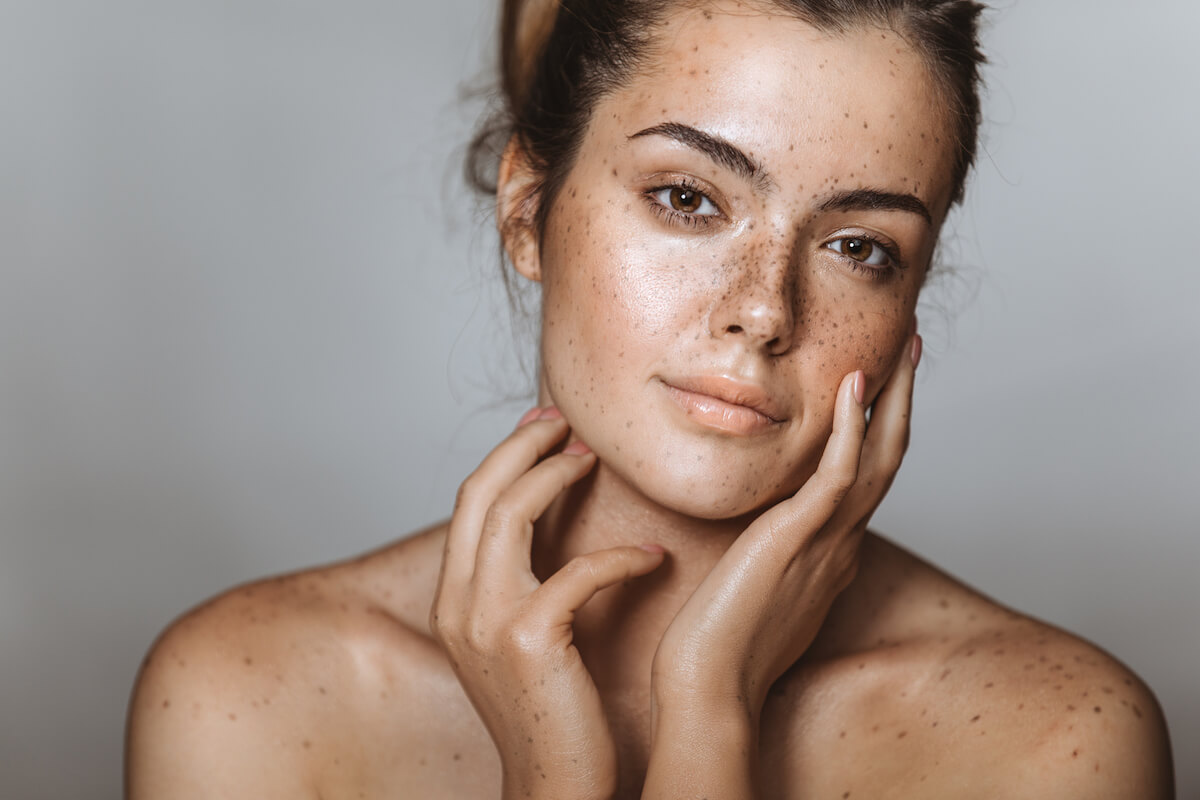
Pigmentation is not a single condition. It is a group of changes in how the skin produces and distributes its natural pigment, and several factors can contribute. Common contributing factors include:- Ultraviolet exposure: sunlight is the most common driver of sun spots, freckling and the gradual loss of even tone over time
- Hormonal changes: some patchy facial pigmentation is linked to hormonal shifts, including during pregnancy or with certain medications
- Age: the cumulative effect of years of light exposure tends to show more as we get older
- Skin type and genetics: some people are naturally more prone to pigment changes than others
- Inflammation or past skin injury: marks can sometimes linger after a breakout, irritation or other skin trauma
How is skin pigmentation and sun-damaged skin treated?
There is no one-size-fits-all answer. The right option depends on the type of pigmentation, your skin and what a doctor finds at your assessment. The aim of treatment is to help improve the appearance of uneven tone and reduce the look of sun-related changes, with no promise about clearing pigmentation entirely. Several approaches may be discussed, often in combination and over a series of sessions:- Fractional laser skin resurfacing: a light-based approach that targets areas of uneven tone and texture to help refresh the look of sun-affected skin. You can read more on our fractional laser treatment page.
- Laser facial treatments: gentler light-based sessions that aim to even out the overall appearance of tone and brightness with little downtime for most people. See our laser facial page.
- Chemical peel treatments: a controlled treatment that encourages the surface skin to renew, which can help soften the appearance of superficial discolouration. More detail is on our chemical peels page.
- Skin rejuvenation programs: a broader, ongoing plan that may combine in-clinic treatments with a tailored skincare routine to support more even-looking skin over time. See our skin rejuvenation page.
For a fuller explanation of what causes pigmentation, how the different types are told apart, what treatment can realistically achieve and why assessment comes first, read our detailed guide to skin pigmentation and sun damage treatment in North Sydney.
What happens at your consultation?
The consultation is where your plan starts. Some forms of pigmentation can look similar to one another, and certain pigmented spots can mimic other skin conditions, so a careful look by a doctor matters. At your appointment, the focus is on understanding your skin before recommending anything. A typical consultation involves:- A discussion of your concerns, your history of sun exposure and what you would like to improve
- A close assessment of the type and pattern of your pigmentation
- Guidance on whether any spot should be reviewed further or referred for medical evaluation
- A clear, honest explanation of what the available options can and cannot do, including the likely number of sessions
- A personalised plan and quote, which you are free to consider with no obligation to proceed
Can skin pigmentation and sun damage be improved?
Why choose a doctor-led clinic?
Pigmentation is a concern where the assessment matters as much as the treatment. Choosing the wrong approach for the wrong type of pigmentation can be unhelpful, so having a doctor identify what you are dealing with is a real advantage. At Skin Project Clinics in North Sydney, your skin is assessed and your plan is overseen by a registered medical doctor, with an honest discussion of what is realistic for your individual skin. You can meet our doctors to learn more about the team and how they approach pigmentation and sun-damaged skin.Frequently asked questions
Can pigmentation be cleared completely?
Treatment aims to help improve the appearance of uneven tone and reduce the look of sun-related changes, not to clear pigmentation entirely. Some types respond more than others, results vary between individuals, and pigmentation can return if sun exposure or other causes continue. This is general information only and not medical advice.How many sessions will I need?
This depends on the type of pigmentation, your skin and the approach chosen, so there is no fixed number. Many people have a course of sessions, and results tend to build gradually. Your doctor will outline a realistic plan at your consultation. This is general information only.Is my pigmentation a sign of something serious?
Most pigmentation is harmless, but some pigmented spots can mimic other skin conditions and should be checked. If a spot has features that warrant a closer look, the right step is a proper medical evaluation before any cosmetic treatment. This is general information only and not medical advice.Will my pigmentation come back after treatment?
It can. Even when the appearance improves, pigmentation may return if the underlying cause, such as ultraviolet exposure or a hormonal influence, continues. Ongoing care and consistent sun protection help maintain results. This is general information only and not medical advice.Why is sun protection so important for pigmentation?
Sun exposure is the most common driver of sun spots and uneven tone, and continued exposure can undo progress and contribute to new pigmentation. Daily sun protection is an important part of any plan to support and maintain results. This is general information only.This information is general in nature and is not medical advice. Skin pigmentation and sun-damaged skin can have several different causes, and some pigmented spots require medical evaluation. Any treatment carries potential risks and requires a consultation and individual assessment with a qualified medical practitioner. Individual results vary, are gradual, and usually depend on ongoing care and sun protection. Skin Project Clinics, North Sydney. (02) 9929 0455.